
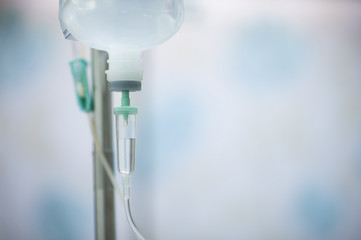
Alcohol acts as a diuretic, increasing urine production and leading to dehydration. IV therapy can replenish fluids lost during drinking and prevent hangover symptoms like headache, thirst, and fatigue.
Hangover IV Denver drips include antacids and anti-nausea medications to address stomach pain and nausea. However, these treatments only treat the symptoms, not the root cause.
When you wake up with a pounding headache and queasy stomach, the first thing on your mind is probably quick relief. Thankfully, a growing number of providers offer hangover IV treatments that promise to fast-track your recovery with hydration, electrolytes, vitamins, and medications delivered directly into your bloodstream. But is this medical-grade approach truly effective, or just a big, expensive placebo?
The science behind hangovers is complex, but the basic cause is dehydration. Alcohol is a diuretic, triggering your body to lose fluids through sweat and urine. It also robs your system of important minerals like potassium and magnesium, contributing to that dry mouth and thirsty feeling you often experience. In addition, the liver creates acetaldehyde when it processes alcohol, which triggers that splitting headache and general feeling of nausea and fatigue.
Fortunately, you can avoid most hangover symptoms by drinking plenty of water and electrolyte-rich fluids before and while you drink, choosing clear alcohols that contain fewer congeners, getting enough sleep, and taking OTC pain relievers when necessary. But if you want to take things to the next level, there’s an option that promises hangover relief in just 30 minutes: Hangover IV treatment.
IV hydration addresses several key hangover symptoms at once: rapid rehydration eases headaches and dizziness, electrolyte replenishment alleviates muscle weakness, and vitamin boosts support your body’s natural detoxification systems and address oxidative stress. Add in anti-nausea medication and you have the ultimate hangover remedy. Look for a provider who explains the specific ingredients in their IV formulations, and ask about the screening process that their nurses undergo to ensure proper hygiene and sterile technique. Make sure they ask about your medical history, current symptoms, allergies, and any medications you’re taking – these aren’t just formalities; they’re critical safety measures that protect you from infection. In addition, check out the provider’s reviews for testimonials from clients who’ve experienced real results. They’re a great indicator of the quality of care that you can expect. The most important consideration, though, is that you find a trusted, skilled nurse who will safely administer your hangover IV drip.
Vitamins
When you’re hungover, your body is flooded with toxins and in need of a little help getting back on track. IV therapy is an effective way to replenish your body’s nutrients and vitamins. It also helps to relieve hangover symptoms, including nausea, grogginess, and fatigue. Unlike oral medications, IV therapy bypasses your digestive system and delivers essential nutrients directly to your bloodstream.
In addition to hydrating you, the vitamin blend in our 4Ever Detoxify hangover IV also includes full doses of several key vitamins. B vitamins help to boost energy levels, and vitamin C is a powerful antioxidant that can neutralize some of the toxins produced by alcohol as it is metabolized by your liver. The combination of these vitamins can provide a much-needed energy boost, and the vitamin infusion is designed to reduce inflammation and aches and pains as well.
Alcohol is a diuretic, which means it increases urine production and can cause dehydration. This dehydration can exacerbate the symptoms of a hangover, such as thirst, headache, and dry mouth. In addition, alcohol can irritate the lining of your stomach, which can lead to nausea and vomiting. As the liver metabolizes alcohol, it produces toxic compounds such as acetaldehyde that can trigger headaches and other unpleasant hangover symptoms. Luckily, the hangover IV therapy contains glutathione, an antioxidant that can help to remove excess acetaldehyde from the body.
In addition to helping to combat a hangover, this vitamin infusion can help with chronic illness and diseases such as Crohn’s disease, short bowel syndrome, and celiac disease, which can make it difficult to eat enough nutrients. Additionally, people with these conditions often experience a loss of appetite and may have trouble absorbing the nutrients they do eat. Hangover IVs deliver a full complement of vital vitamins to your body in a quick and convenient manner, making them an excellent option for anyone suffering from chronic illness or the occasional night out.
Electrolytes
When it comes to proper hydration, IV therapy is one of the most efficient and effective methods. It delivers fluids directly to the bloodstream, restoring balance and boosting energy levels. Specialized hangover IV treatments also replenish essential vitamins and minerals that were depleted during a night of drinking, alleviating nausea, headache, and fatigue.
Alcohol is a diuretic, meaning it causes your body to lose excess water through urination. Along with the water, important electrolytes such as sodium, potassium, and magnesium are flushed out of the body as well. Combined with the toxic byproduct of alcohol metabolism called acetaldehyde, this loss leads to dehydration, nausea, and the classic morning-after constellation of symptoms.
Hangover IV treatments deliver rapid hydration and nutrient replenishment to get your body back on track faster than traditional oral remedies. They also contain anti-nausea medication and pain relief to ease your discomfort. And they provide a broader range of benefits than simple hydration – B vitamins boost energy levels, glutathione helps clear the liver, and magnesium reduces muscle weakness.
During a Hangover IV session, you will sit back and relax while your hydration and nutrients are delivered through a tiny catheter inserted into a vein in the arm or hand. The procedure is quick, typically taking 30 to 45 minutes, and the results are immediate. The hydrating effects of the IV start within minutes, and the added vitamins and electrolytes can help reduce your hangover symptoms in just a few hours.
Hangover IVs are ideal for athletes, busy professionals, and people with active lifestyles. They can help prevent the symptoms of dehydration and keep your immune system strong. However, they shouldn’t be viewed as a license to drink irresponsibly. In fact, the best approach to hangovers is always prevention through moderate drinking and adequate hydration. But when that’s not possible, Hangover IVs are a great way to get back on your feet. The sooner you can reclaim your day, the better.
Convenience
Getting out and enjoying the party is one thing, but when you’re suffering from a hangover it can be difficult to get through your day. Whether you need to attend an important event or simply want to feel better, IV therapy can help you achieve the results you need.
The benefits of IV treatments are many. They bypass the digestive system for immediate absorption, combatting dehydration and restoring the vitamins and minerals alcohol depletes. They also deliver anti-nausea and pain relievers, addressing the pounding headache, crushing fatigue, and body aches that are so common with hangovers.
Moreover, with mobile services available, you can receive IV treatment at your home or workplace without the hassle of having to drive yourself to an office or clinic. The process is fast and comfortable, with most clients feeling noticeably better within minutes. The first 5 minutes see rapid plasma expansion increase blood volume and improve circulation, while the next 15-30 minutes are typically when vitamin rebalancing begins. Symptoms like nausea and headache should begin to ease at this time as well, while hangover symptoms should be substantially reduced by the 30-60 minute mark when toxin dilution is in full effect.
Hangover IV victims often report significant relief from their symptoms after a session, though personal experiences vary. Some people swear by it, claiming it’s the best remedy for their hangovers, while others claim that it has minimal or no impact on their symptoms. This could be due to a variety of factors, including differences in metabolism or the specific formulation of the IV solution.
Before you can get your hands on a Hangover IV, be sure to find a licensed, reputable provider. A good one will always be transparent about their ingredients, with a strong emphasis on safety and sterile technique. Look for questions about your medical history and current symptoms as well as proper handwashing, glove use, and sterilization of the IV site.
Although IV therapy is a wonderful tool for alleviating the symptoms of hangovers, it isn’t a magic cure-all. The most effective approach remains drinking responsibly and avoiding large quantities of alcohol in the future. That means a 1:1 rule – one glass of water for every alcoholic beverage you consume, and limiting yourself to a single drink per hour at most.


 One of the first steps in rodent removal is identifying the signs of an infestation. Homeowners should look for droppings, gnaw marks, nesting materials, unusual odors, and noises, particularly at night when rodents are most active. Droppings are typically dark, pellet-shaped, and found along walls, in cupboards, behind appliances, or near food storage areas. Gnaw marks on furniture, wiring, baseboards, or stored items indicate that rodents are actively feeding and nesting within the property. Nesting materials, such as shredded paper, insulation, or fabric, can often be found in hidden areas like attics, behind appliances, or in storage rooms. Unusual odors, often musky or ammonia-like, may develop in areas where rodents have urinated or nested, signaling the need for immediate action.